

Post-tensioning is changing how modern buildings are designed and built. Today, the construction industry needs systems that save materials, reduce waste, and improve performance. Because of this need, post-tensioning has become a smart and sustainable choice. This blog explains what post-tensioning is, why it matters, and how it shapes the future of Structural Design in a simple and practical way.
What Is Post-Tensioning?
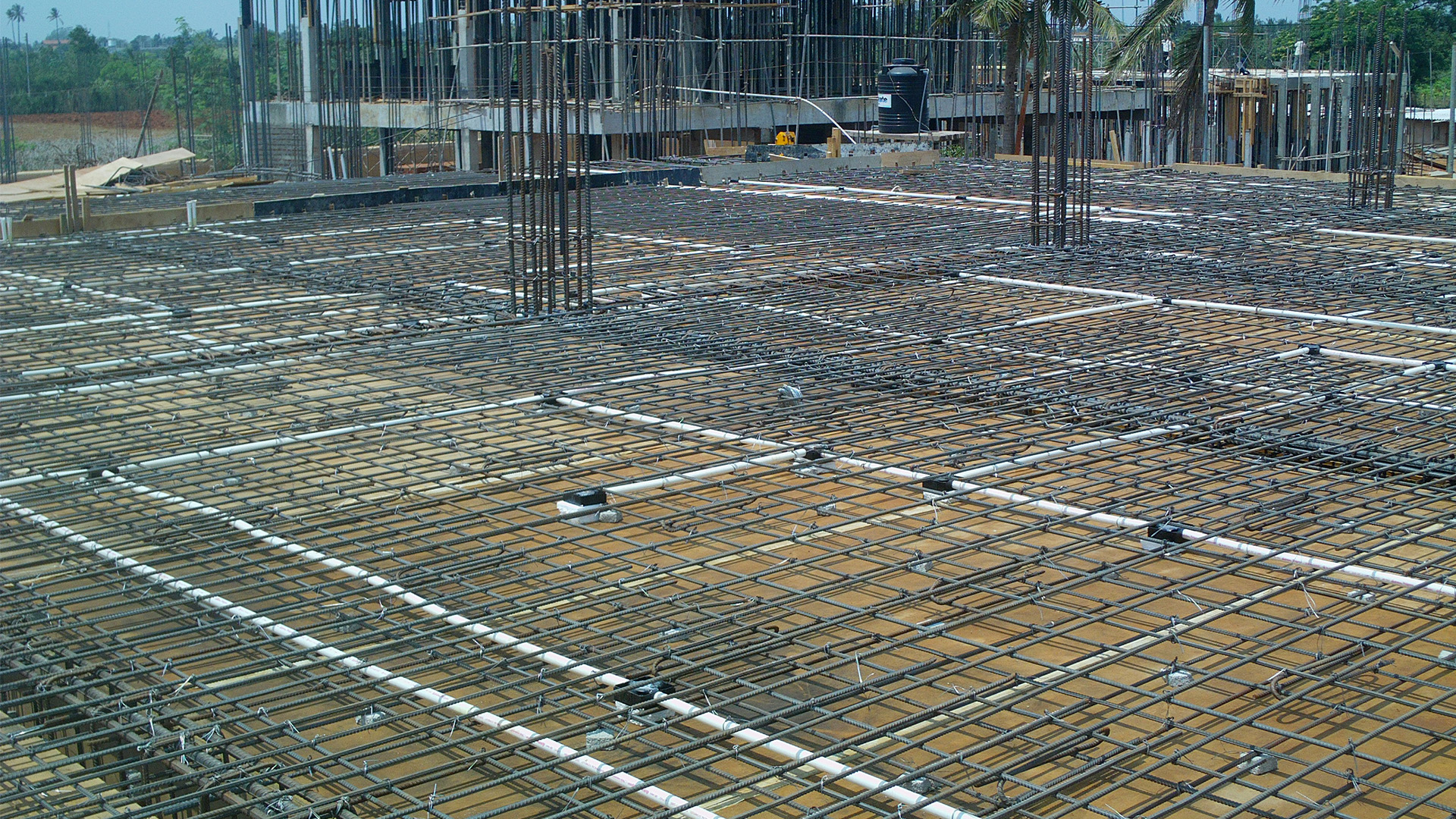
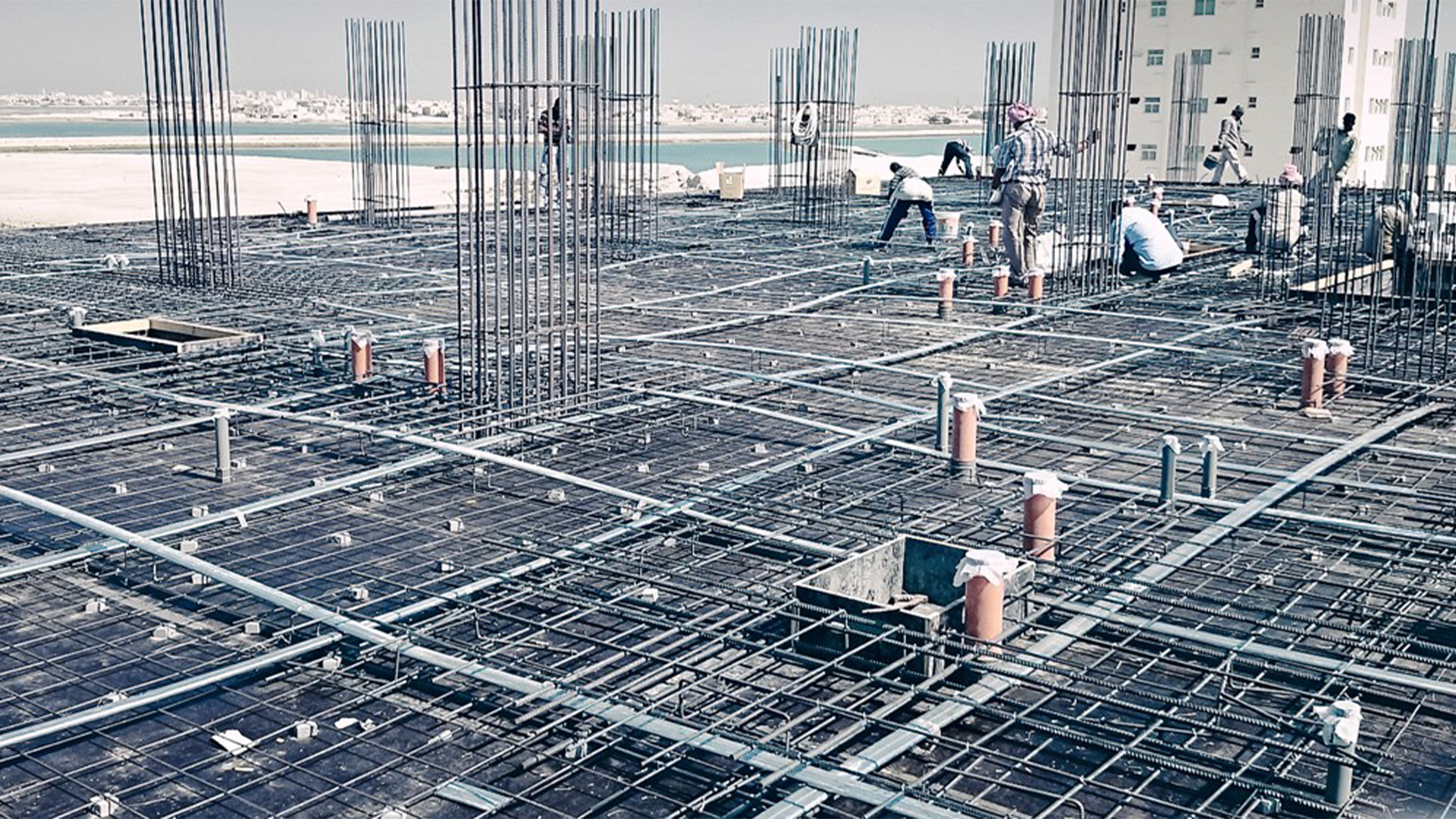
First, it is important to understand the basics. Post-tensioning is a construction method where steel tendons are stressed after concrete is poured. These tendons apply force to the concrete. As a result, the concrete becomes stronger and more efficient.
Second, this method helps the structure carry loads better. It also controls cracks and reduces deflection. Because of this, engineers can design longer spans using thinner slabs.
Why Sustainability Matters in Construction
Next, sustainability has become a major goal in construction. Buildings consume large amounts of concrete and steel. Therefore, reducing material use is very important.
Moreover, traditional construction systems often use more concrete than needed. This leads to higher carbon emissions. However, post-tensioning reduces this problem by using materials more efficiently.
As a result, post-tensioned buildings have a smaller environmental impact.
How Post-Tensioning Supports Sustainable Design
Then, let us see how post-tensioning supports sustainability in practice. For example, post-tensioned slabs are thinner. This directly reduces concrete volume. Because cement production creates carbon emissions, less concrete means less pollution.
Additionally, lighter structures reduce foundation size. This saves both materials and construction time.
Furthermore, post-tensioning increases durability. Cracks stay controlled. Therefore, buildings need fewer repairs over time.
Also, longer spans reduce the number of columns. This improves space usage and reduces material demand.
Role of Structural Design in Post-Tensioning
At this point, guidance becomes very important. Post-tensioning does not work well without proper planning. Structural Design ensures that loads flow safely through the structure.
Meanwhile, engineers must carefully plan tendon layout, stressing force, and anchorage zones. Small mistakes can affect performance.
On the other hand, a well-designed system improves safety, strength, and lifespan. Because of this, professional guidance is essential in post-tension projects.
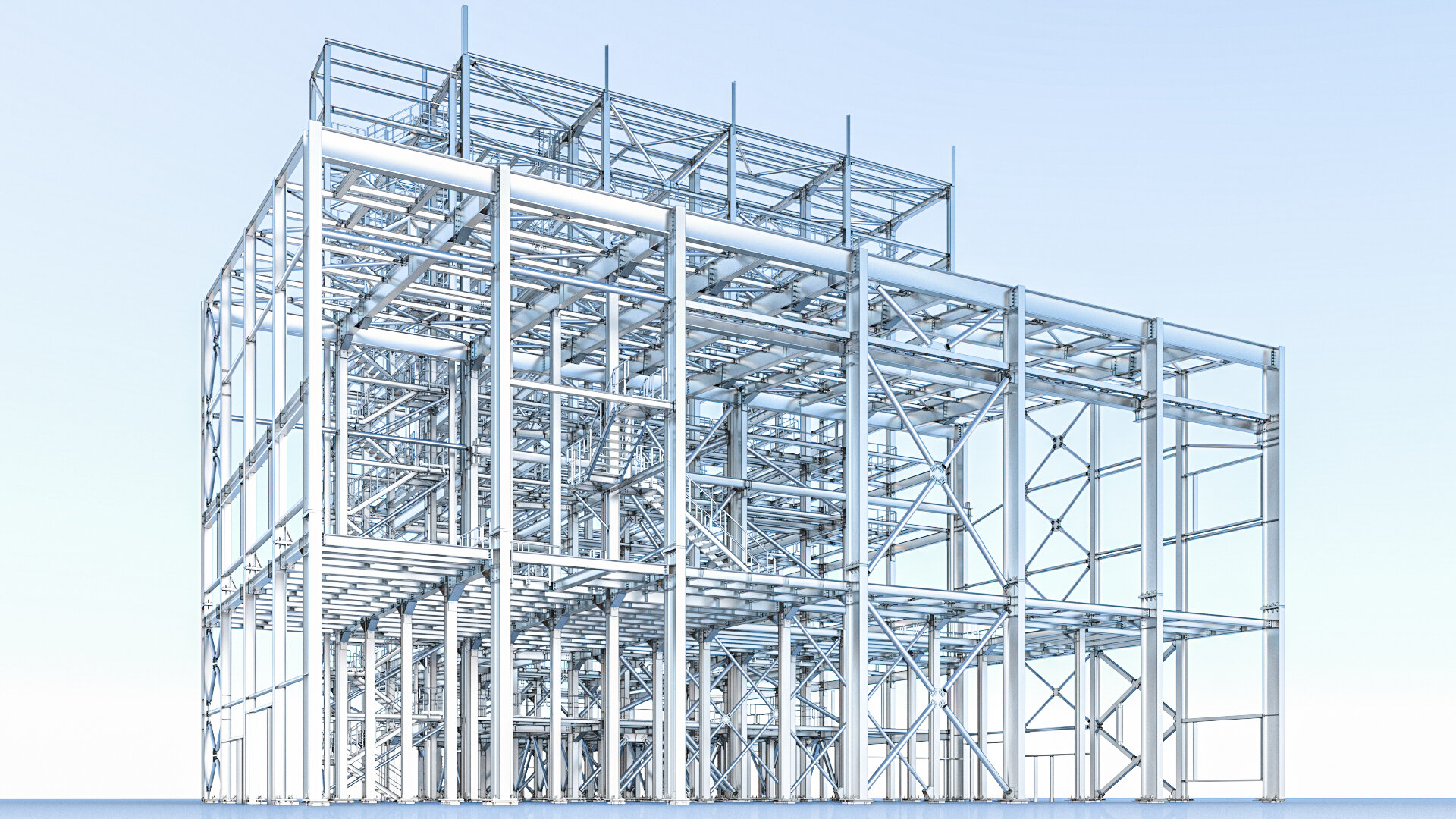
Real-World Example
For instance, consider a commercial building with large open spaces. A conventional slab may need many beams and columns. However, a post-tensioned slab can span longer distances.
Therefore, the building gains more usable space. At the same time, material use goes down. So, both cost and environmental impact reduce.
This example shows how smart Structural Design choices lead to better results.
Why Post-Tensioning Is Future-Ready
Now, cities are growing faster. Land is limited. So, buildings must grow vertically and efficiently.
Moreover, green building standards are becoming stricter. Post-tensioning meets these standards by lowering material use and improving performance.
In addition, modern software helps engineers design post-tension systems accurately. This improves safety and confidence.
Overall, post-tensioning aligns well with future construction needs.
Importance of Expert Guidance
However, post-tensioning is not a trial-and-error system. It requires knowledge, experience, and proper coordination.
Because tendons carry high stress, correct design and execution are critical. Therefore, expert teams play a key role in project success.
Without guidance, even a good system can fail. With guidance, post-tensioning delivers its full value.
Conclusion
In conclusion, post-tensioning is not just a construction technique. It is a sustainable solution for modern buildings. It saves materials, improves performance, and supports long-term durability. Most importantly, it represents the future of Structural Design when done correctly. If you are planning a project and want smart, efficient, and future-ready solutions, partnering with an experienced team like Strut and Tie ensures that your structure is designed responsibly, built efficiently, and prepared for tomorrow—connect with the right experts today and build with confidence.